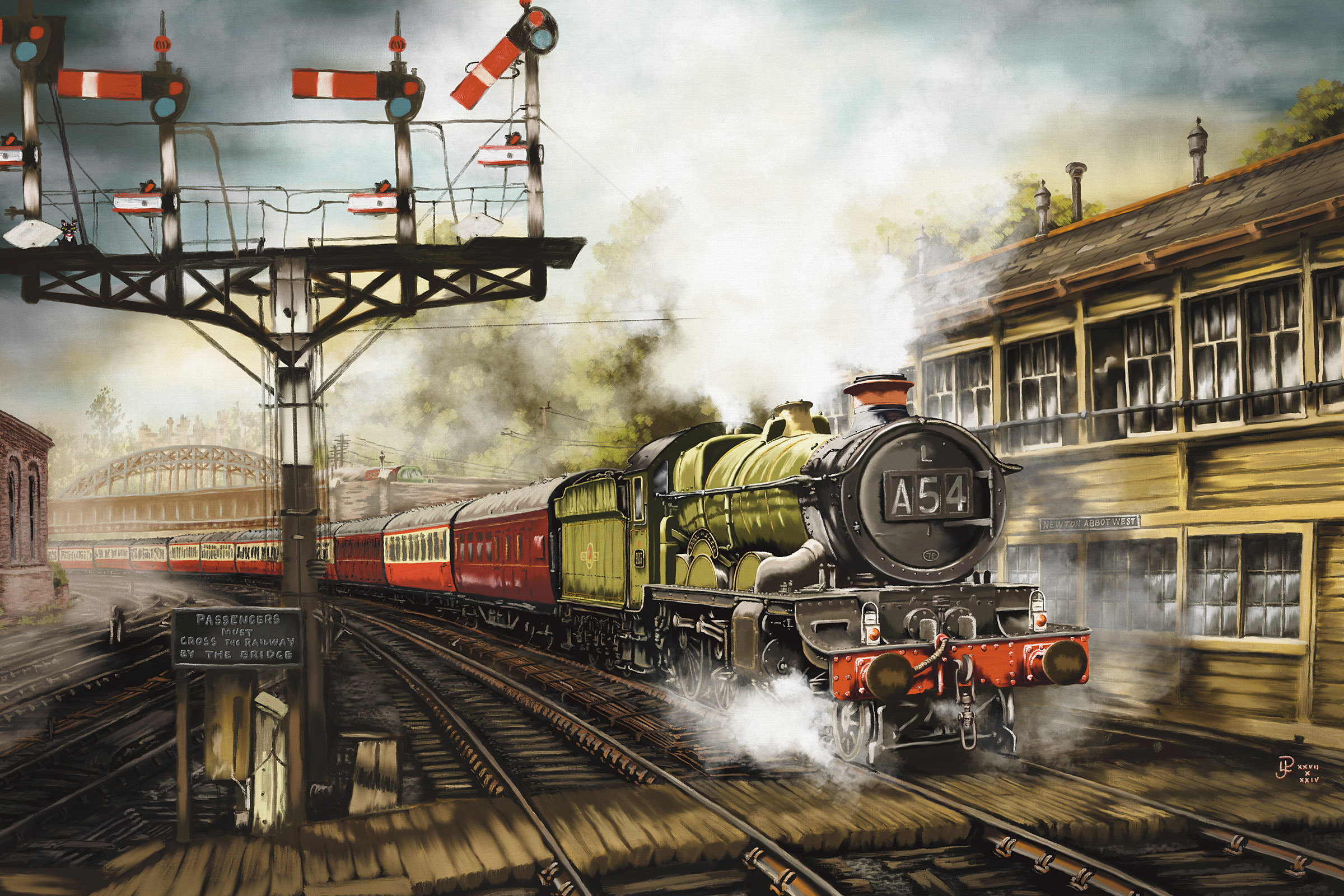
My latest (digital) painting project, “Earl Entering Newton Abbot” inspired by Alan Lewis Chambers’ photograph of Castle Class Locomotive No. 5055 “Earl of Eldon” entering Newton Abbot from the west.
My latest (digital) painting project, “Earl Entering Newton Abbot” inspired by Alan Lewis Chambers’ photograph of Castle Class Locomotive No. 5055 “Earl of Eldon” entering Newton Abbot from the west.
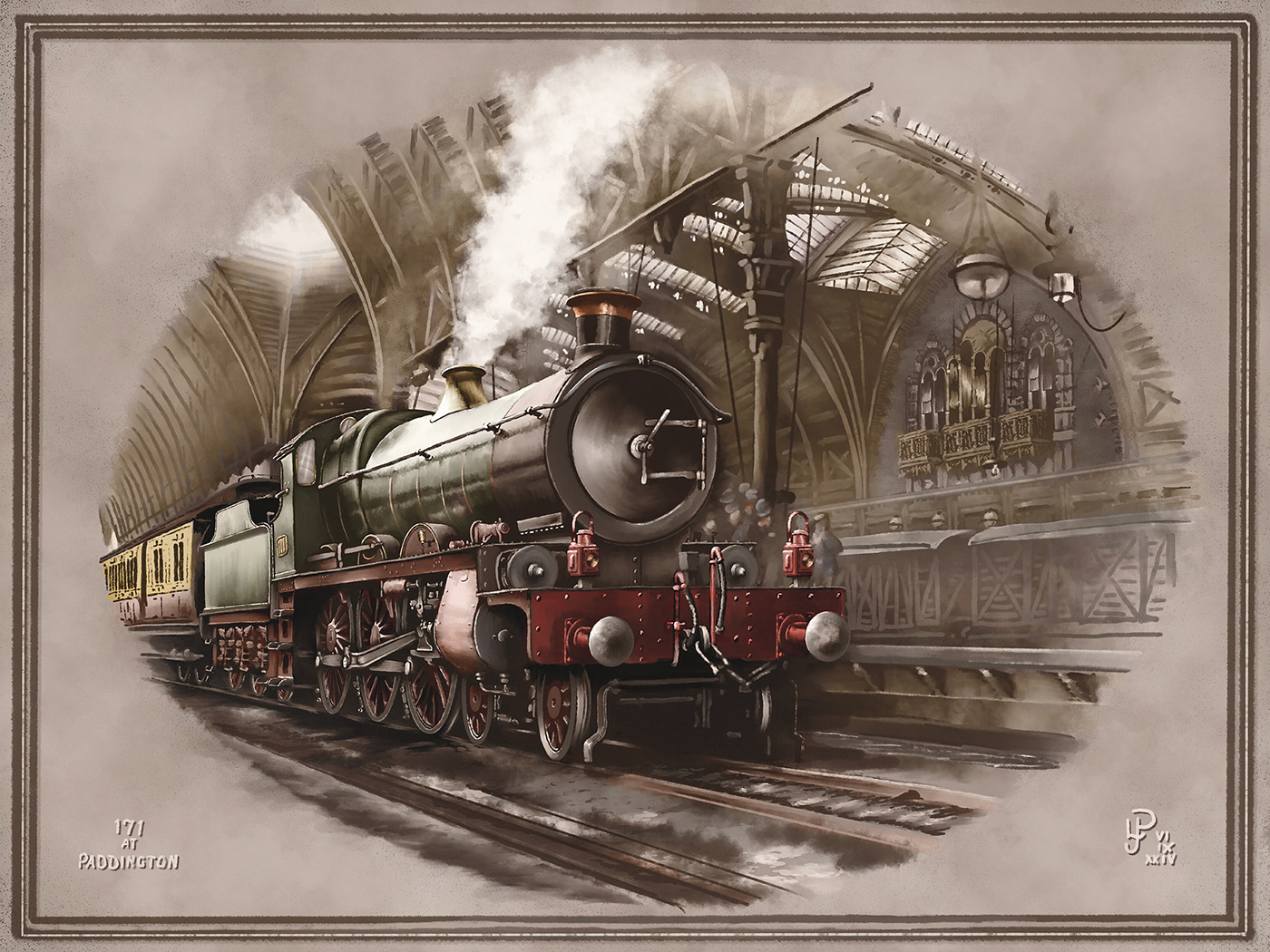
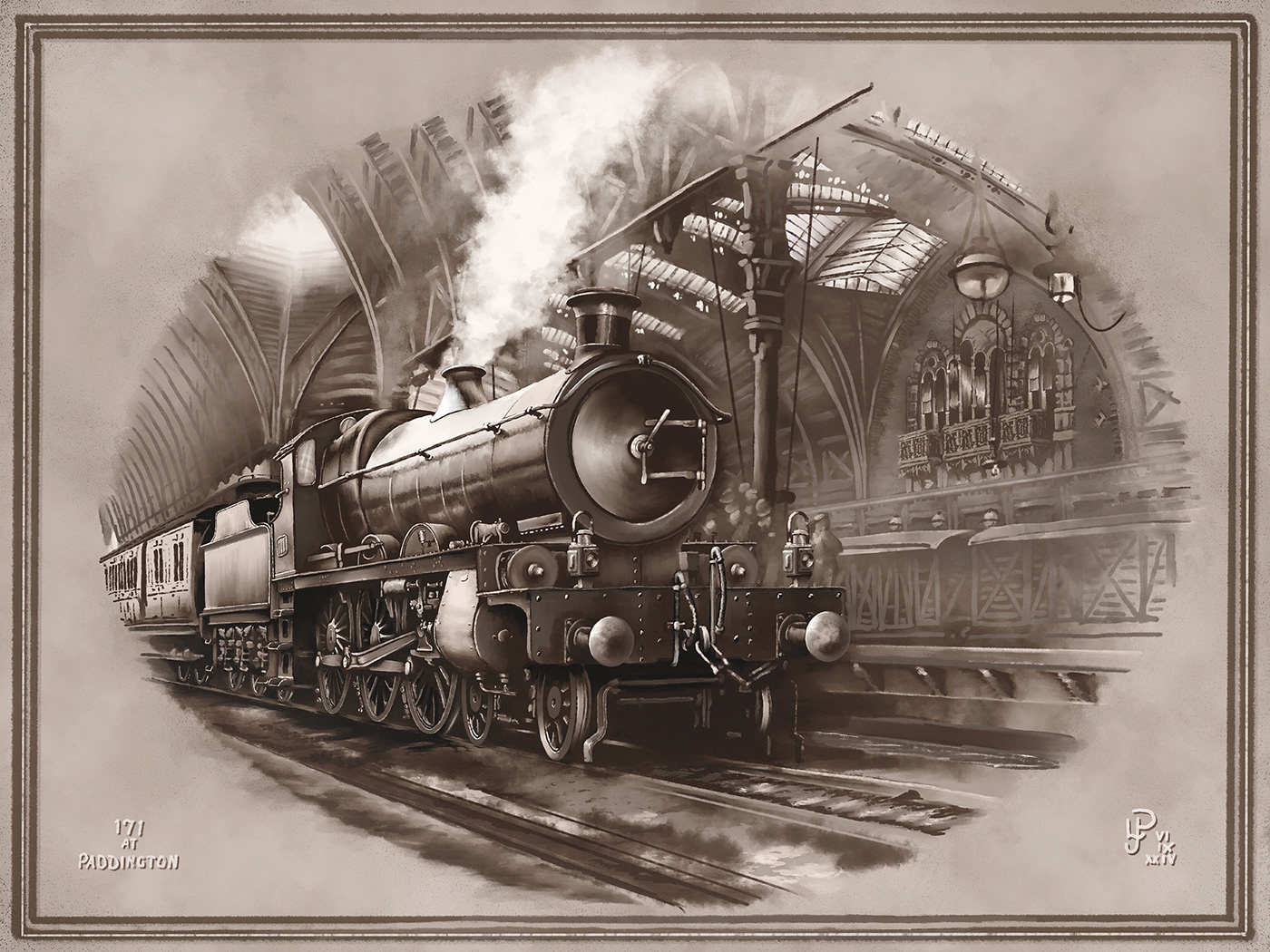
Another Locomotive Portrait completed. “171 at Paddington”… Great Western Railway No. 171, from the early 20th century and the origins of Churchward’s Saint Class.
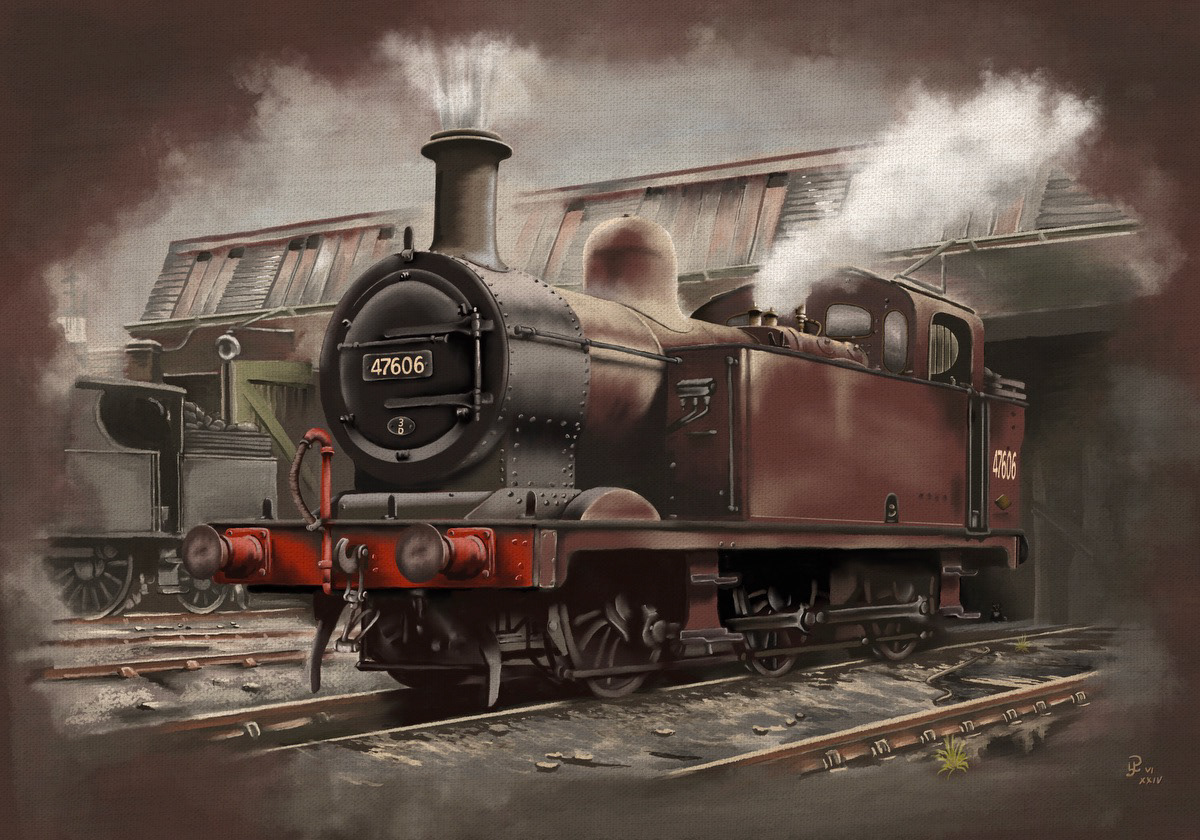
This is something of a theme and variations project – taking advantage of some of the flexibility of digital painting to present the same design of locomotive, Fowler’s LMS ‘Jinty’ 0-6-0tank, in a range of different liveries, 36 of them to be precise! Here is our Jinty in the persona of No. 47606, the original Triang model of the class.

What is applied on top of red oxide primer? Works Grey of course!

The Jinty was not the first Triang locomotive, but it was the first to be initially designed for the Triang range, the Princess originating with Rolex and the clockwork 0-6-2 with Trackmaster. An early batch was lettered ‘British Railways’ in full, using the transfers from the Trackmaster 0-6-2.
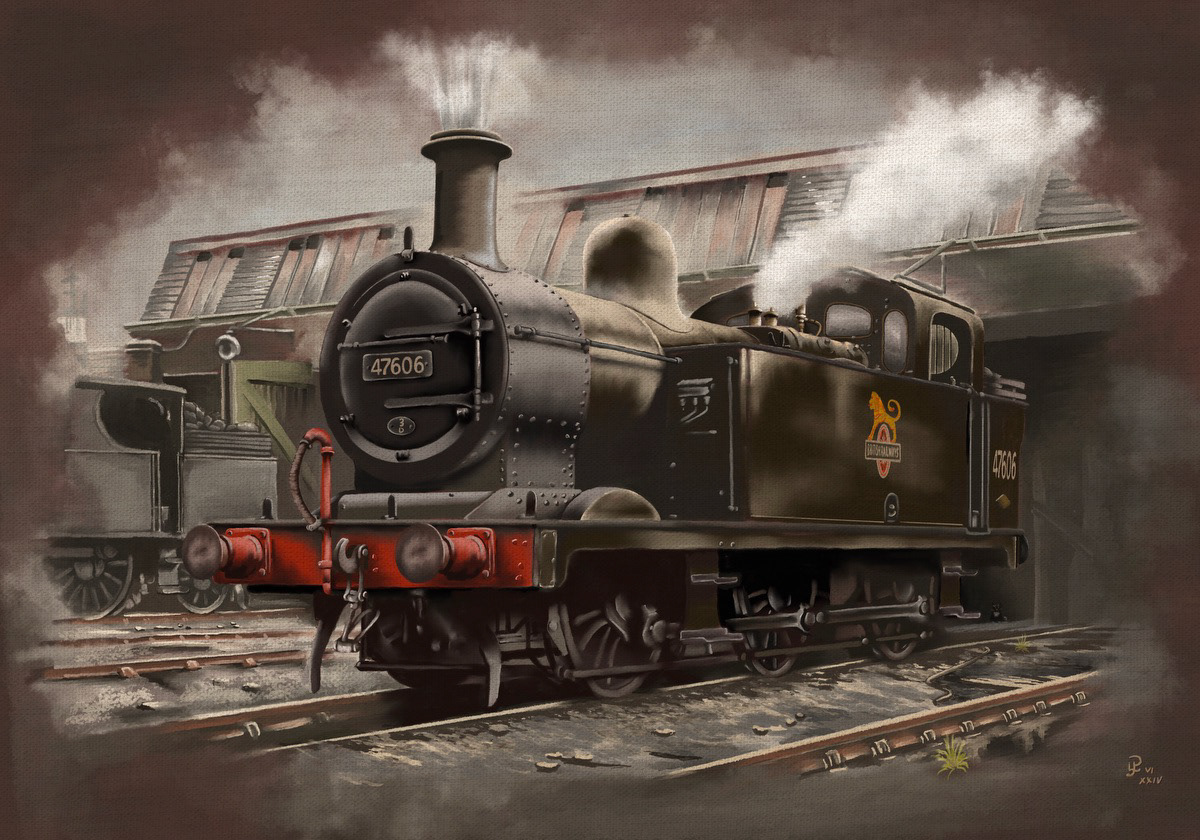
This is the livery of the more archetypal early Triang Jinty, unlined in black with the early BR totem.

Triang soon took to lining their Jinty, with little prototype justification, but so many of us knew the loco in its lined model form it seems right somehow.
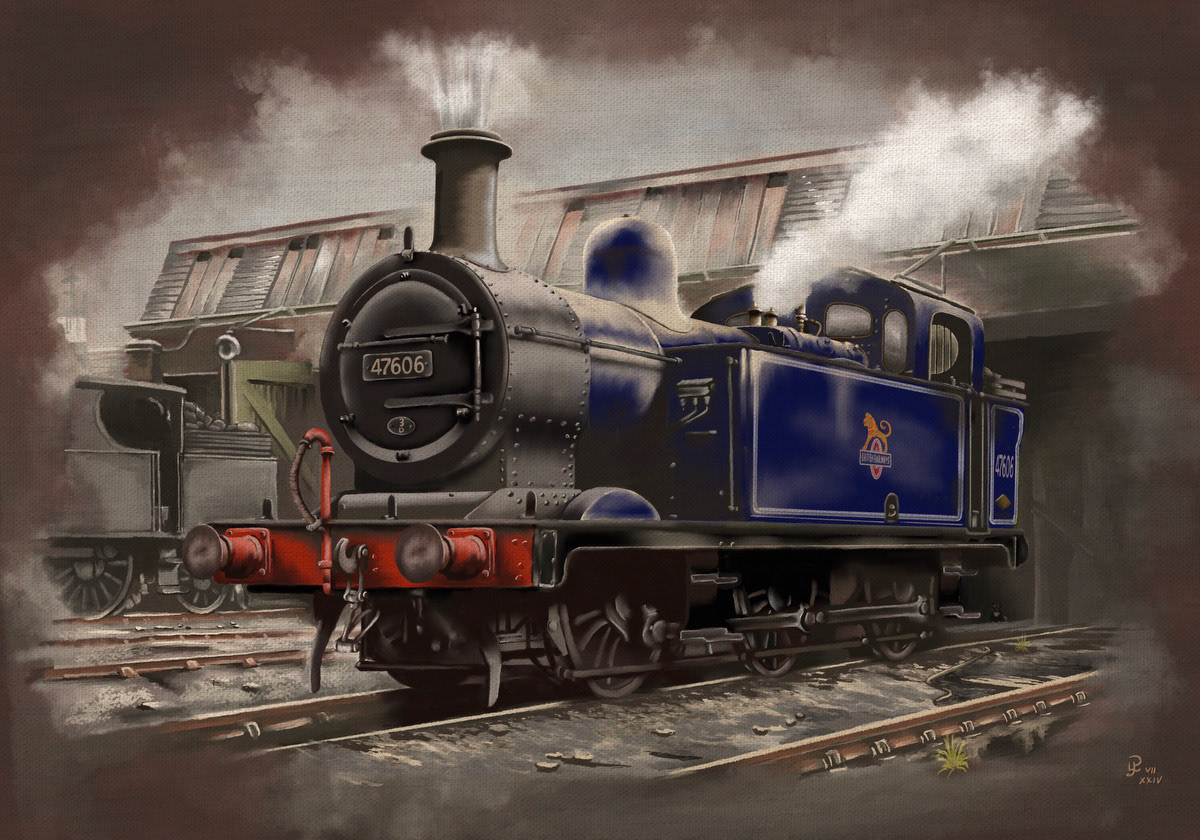
Now one of my flights of fancies. There was a habit on the Eastern region of painting tank locos allocated as station pilots to large termini in rather grander liveries. Not an LMR habit, but I think she looks rather smart in blue.
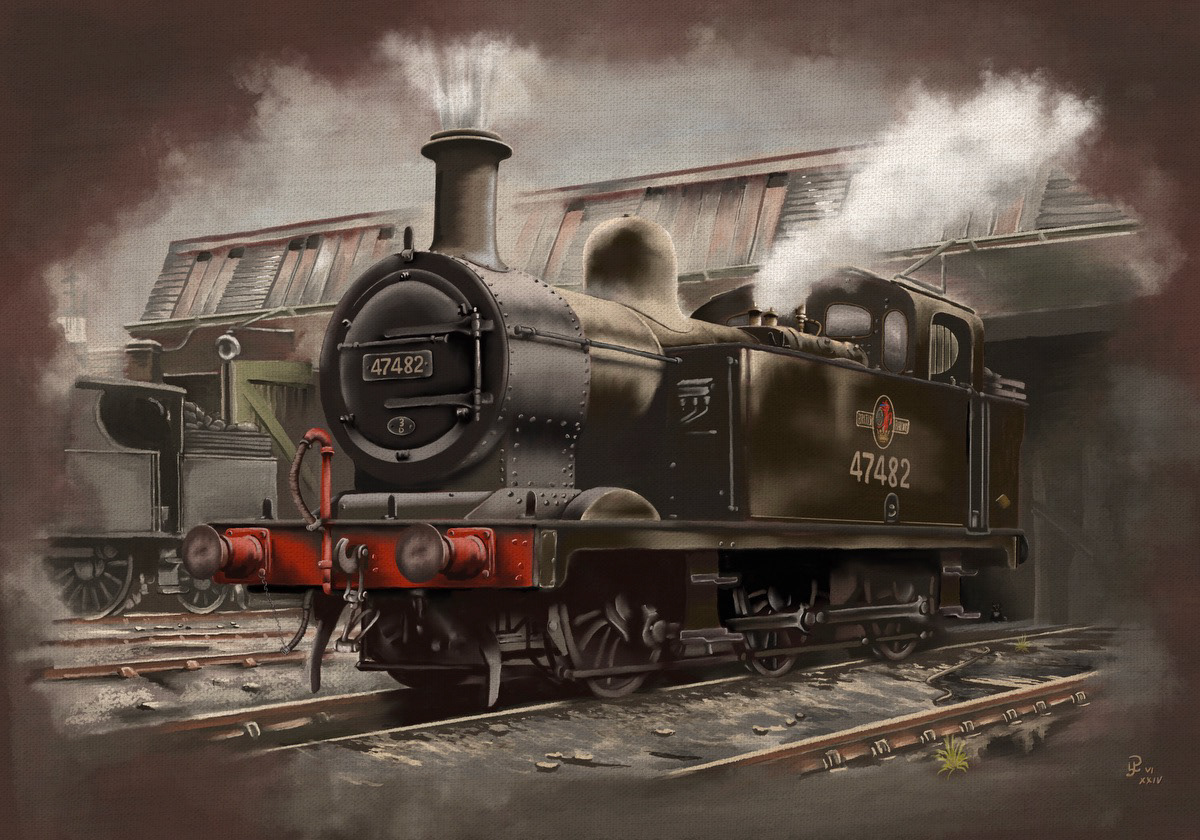
This one is purely prototypical. A few Jinties ended up maintained in Eastern works, which followed their practice and put the running number on the side tank.

Not a permutation that Triang or Hornby ever tried (I think), but one that certainly existed in reality – the later BR totem on unlined black.

Here’s the livery that so many of us remember from the models our youth, lined black with the later BR totem.
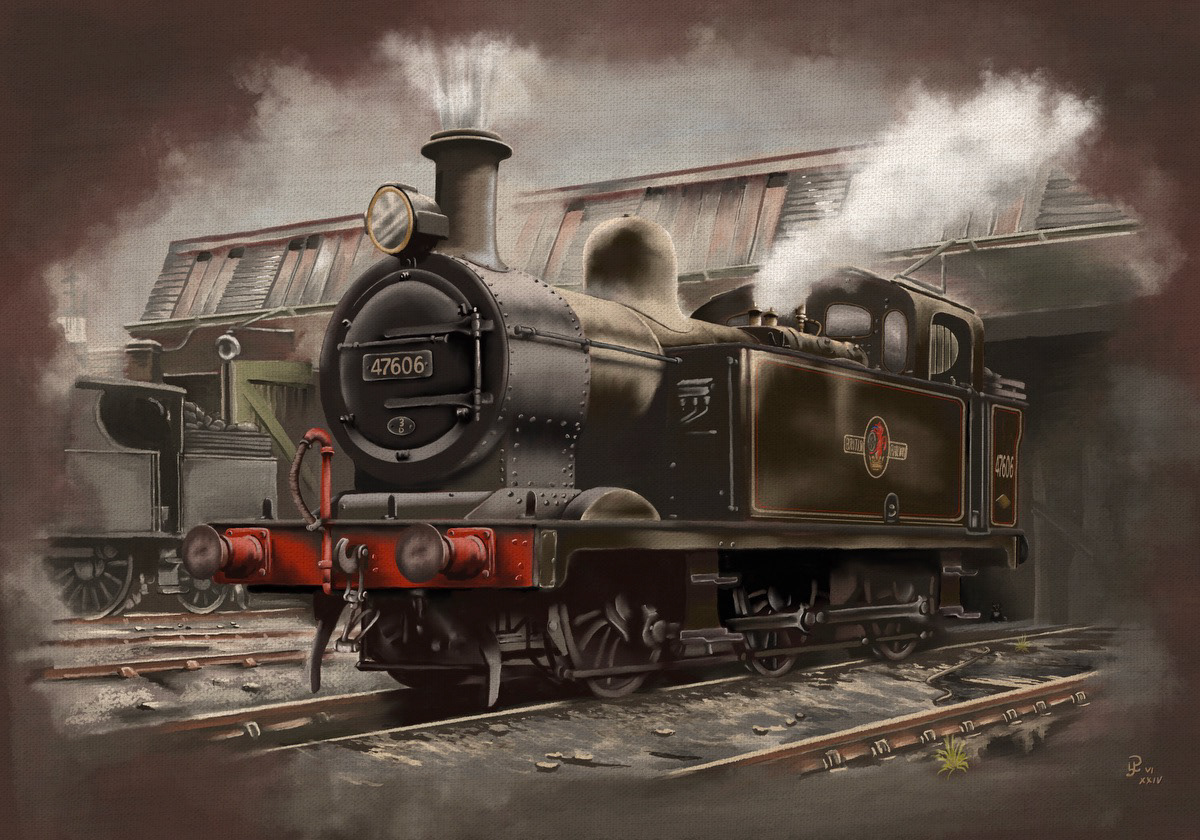
As Triang produced and sold in Australia, the lined BR Jinty with an Australian railways style headlamp. Or, some Jinties worked as Mickey Incline bankers, and could have had the same type of headlamp as fitted to the purpose made banker ‘Big Bertha’?
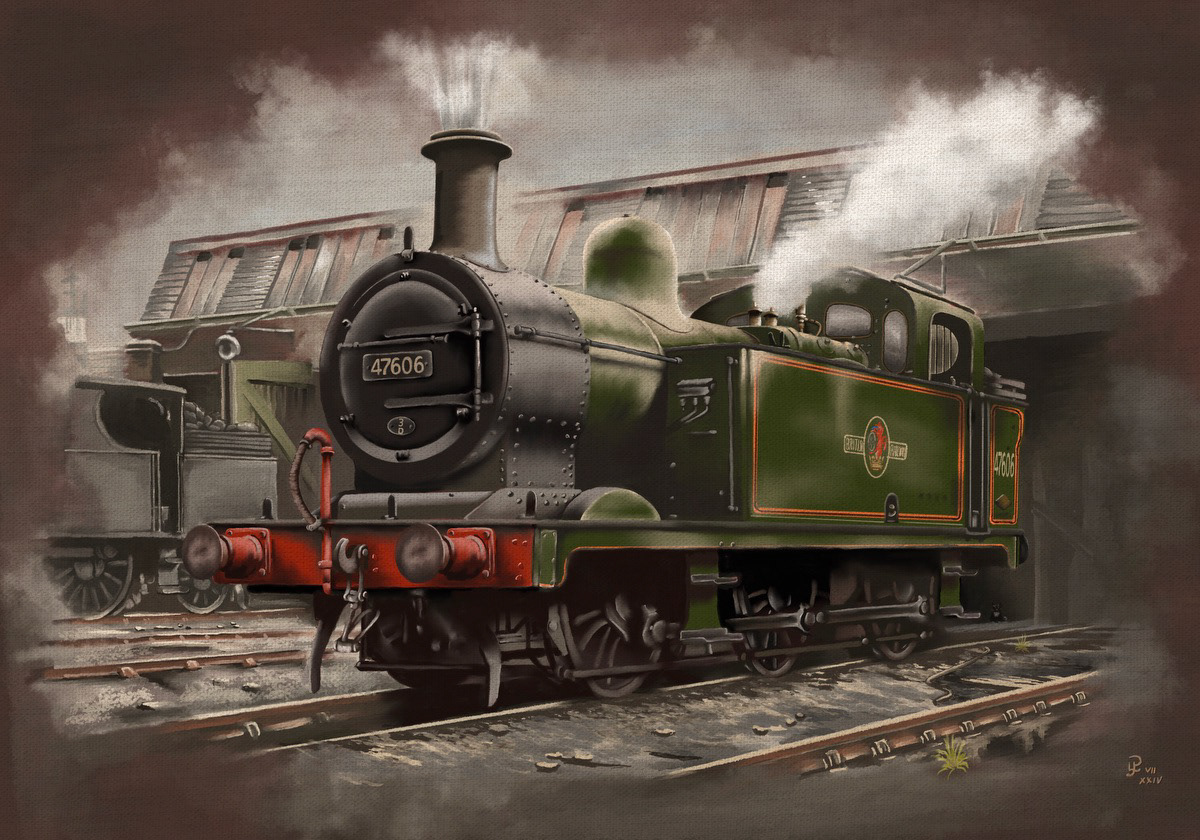
Another of my ‘station pilot’ fancies. Lined Brunswick green? It looks good though…

And another, in the Maroon that BR applied to some Duchesses and Princesses.
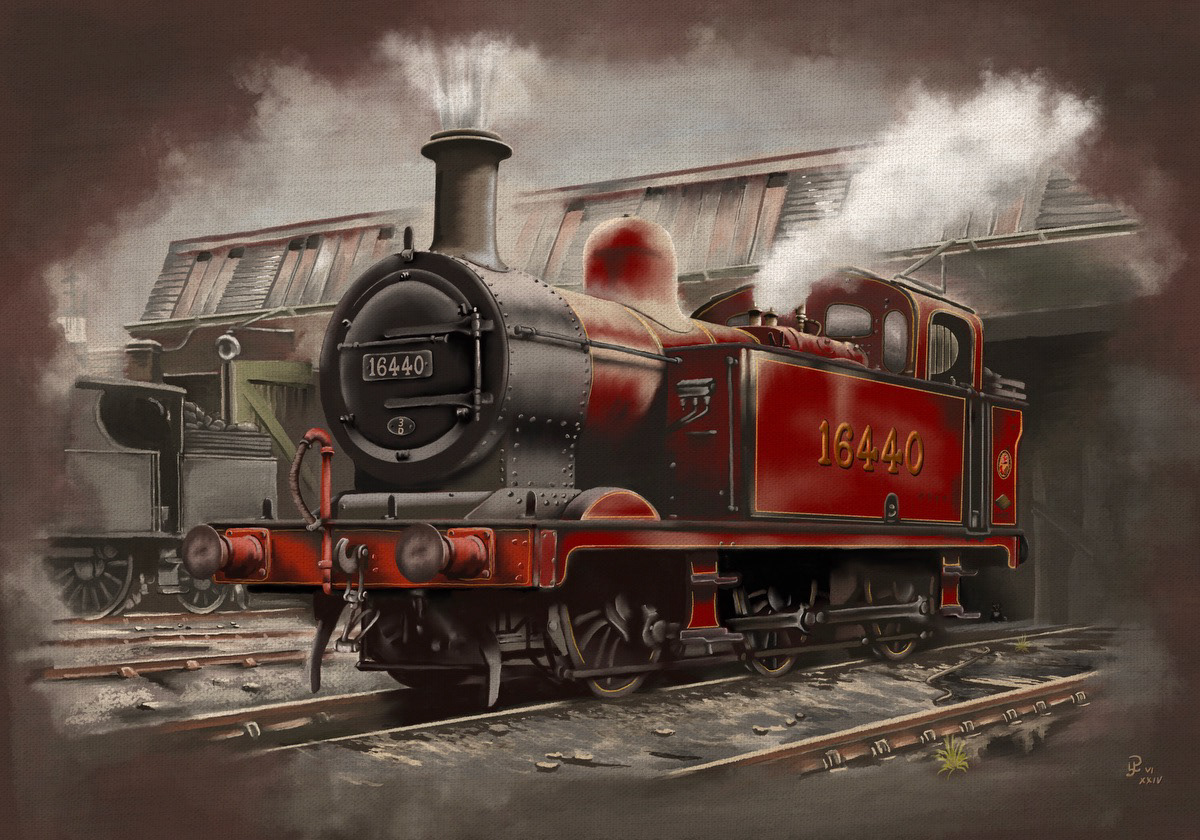
When Hornby brought the Jinty back in 78, they did so in this rather grand livery, early LMS Crimson lake. There was a prototype, albeit in presentation.

The more usual 1920s early LMS black livery.
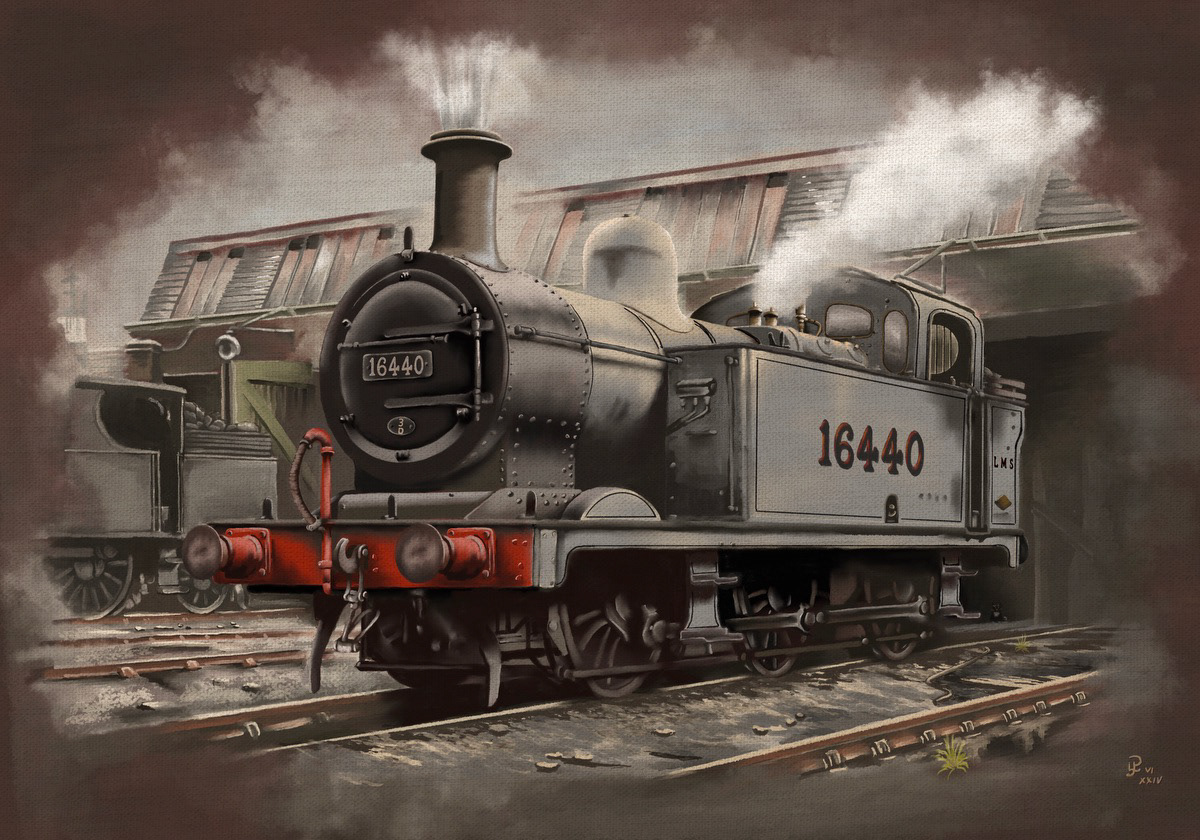
Photographic Grey anyone?
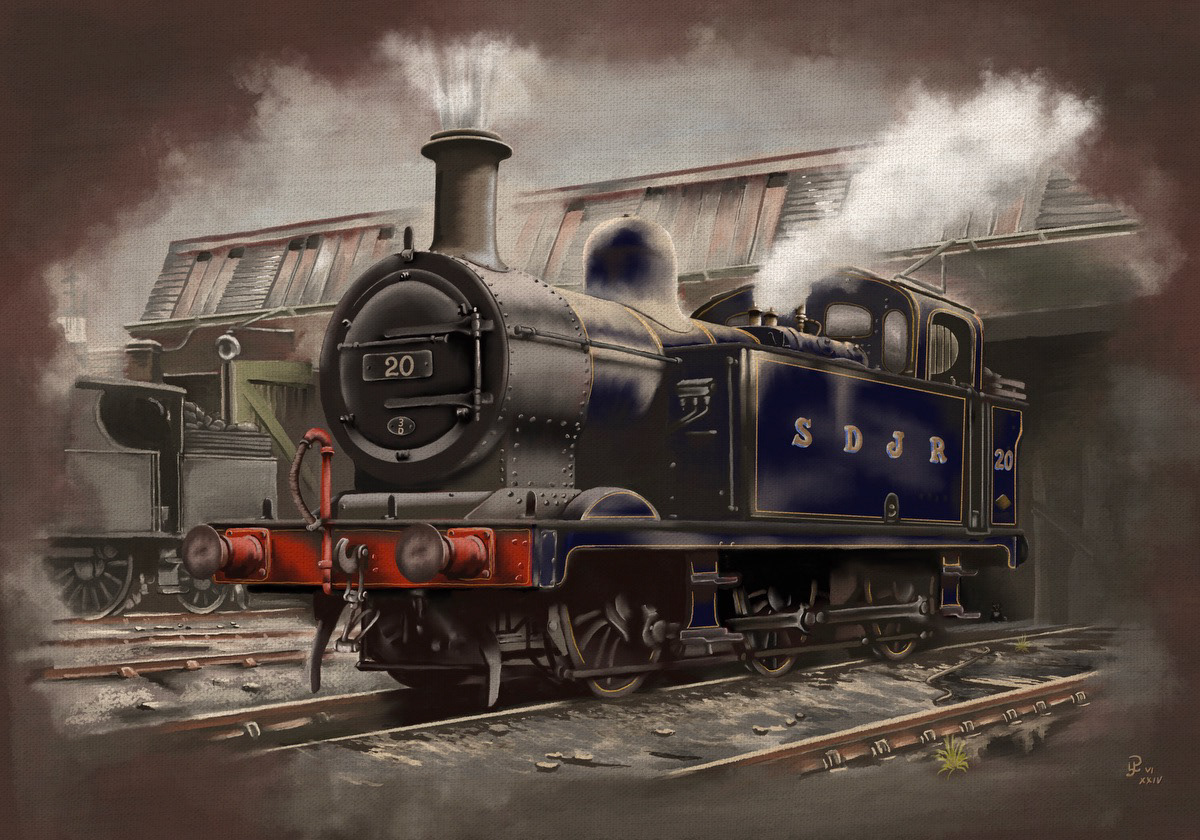
A few Jinties were sent to work on the Somerset and Dorset Joint Railway. I’m not actually sure they ran in Blue livery, but its an amusing fancy.
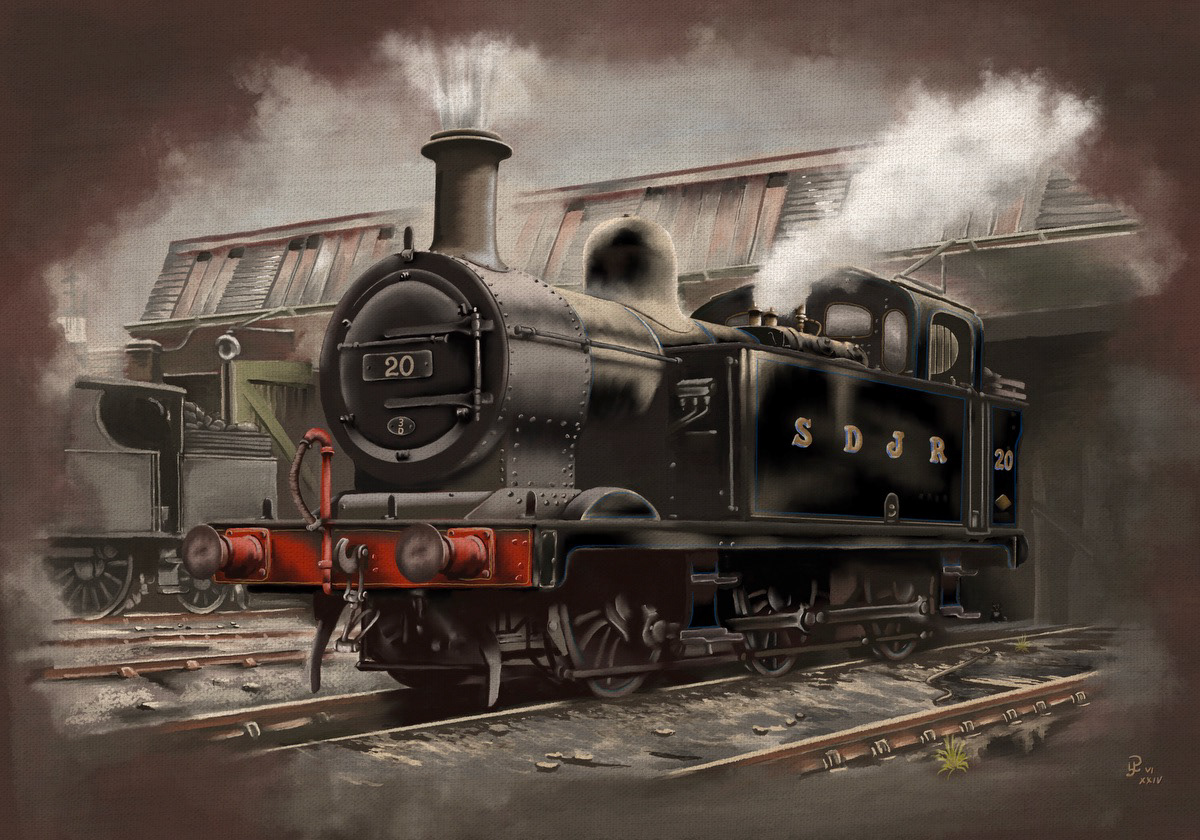
A more believable SDJR black…
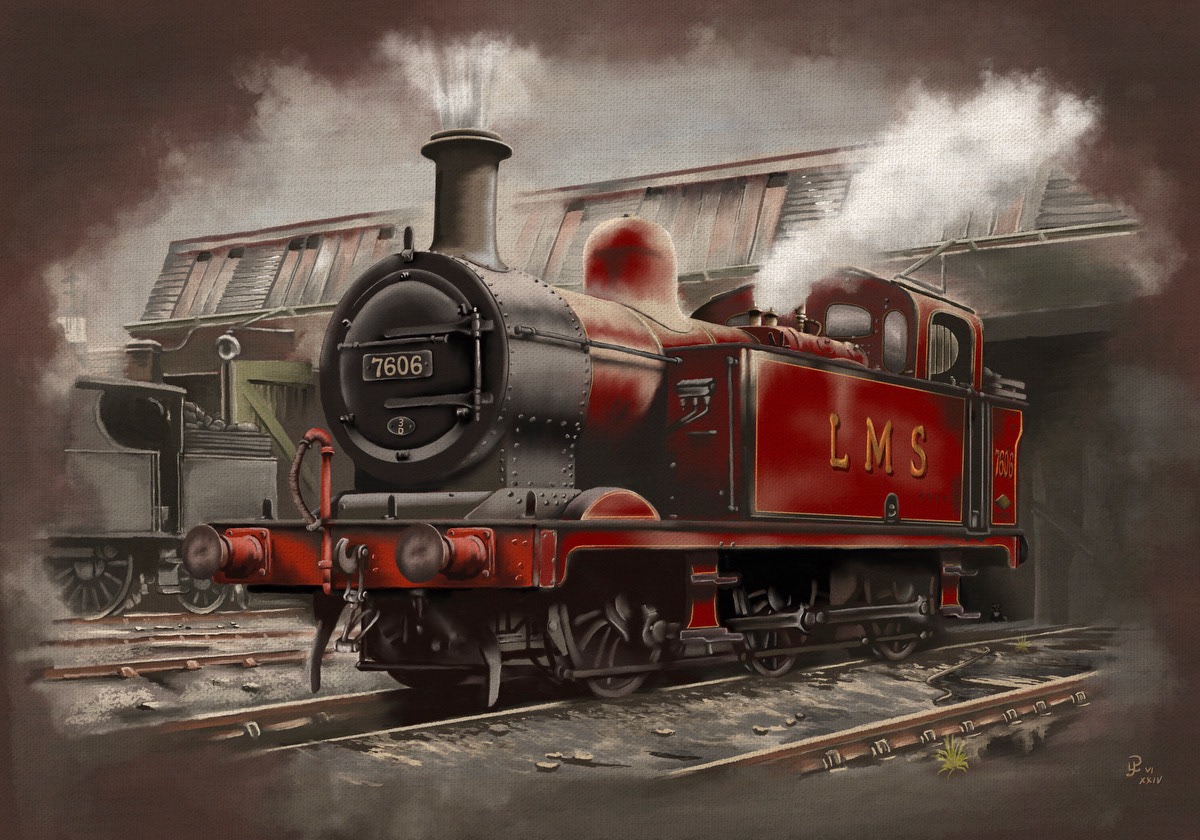
When Triang-Hornby first brought out a minty in LMS livery in the early 70s they made it red and kept the same persona as their former BR offering, hence 7606.
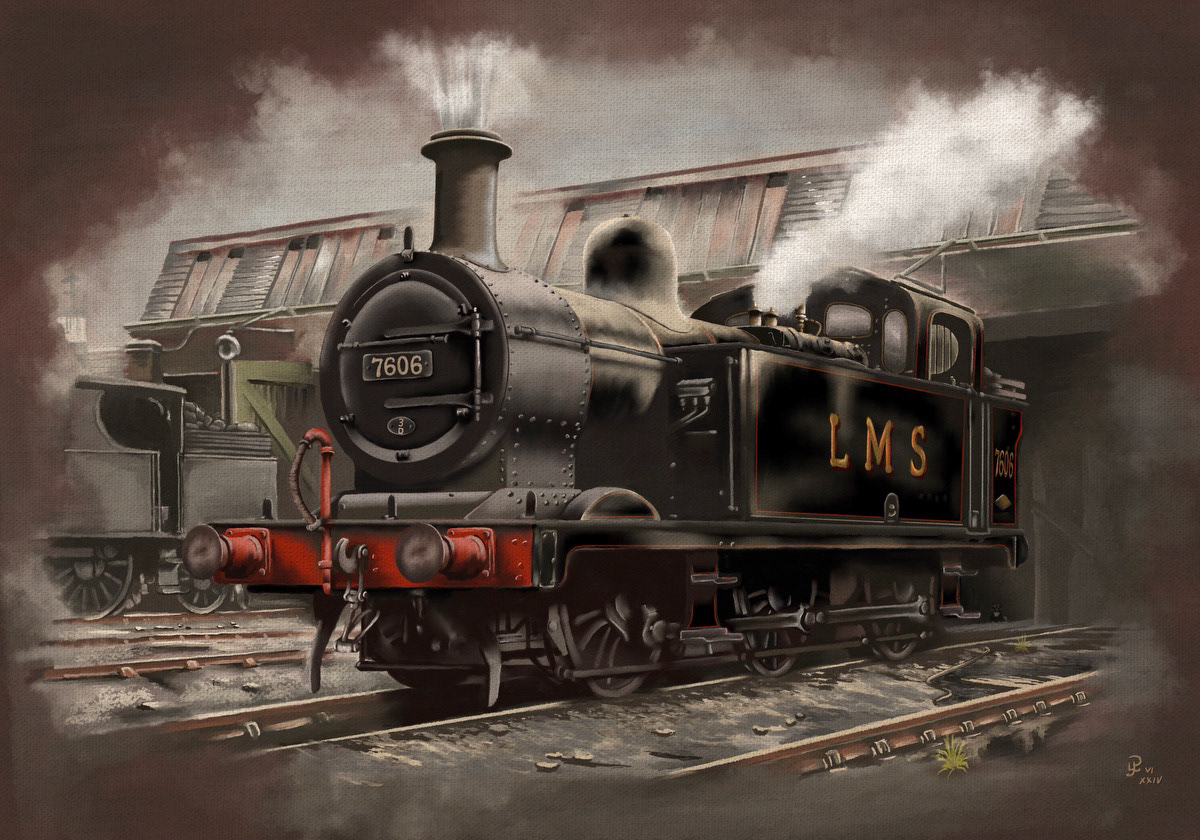
Lined LMS black might have been a more believable livery…

Postwar unlined LMS black.

And a lined livery, perhaps for station pilot duties again? 🙂
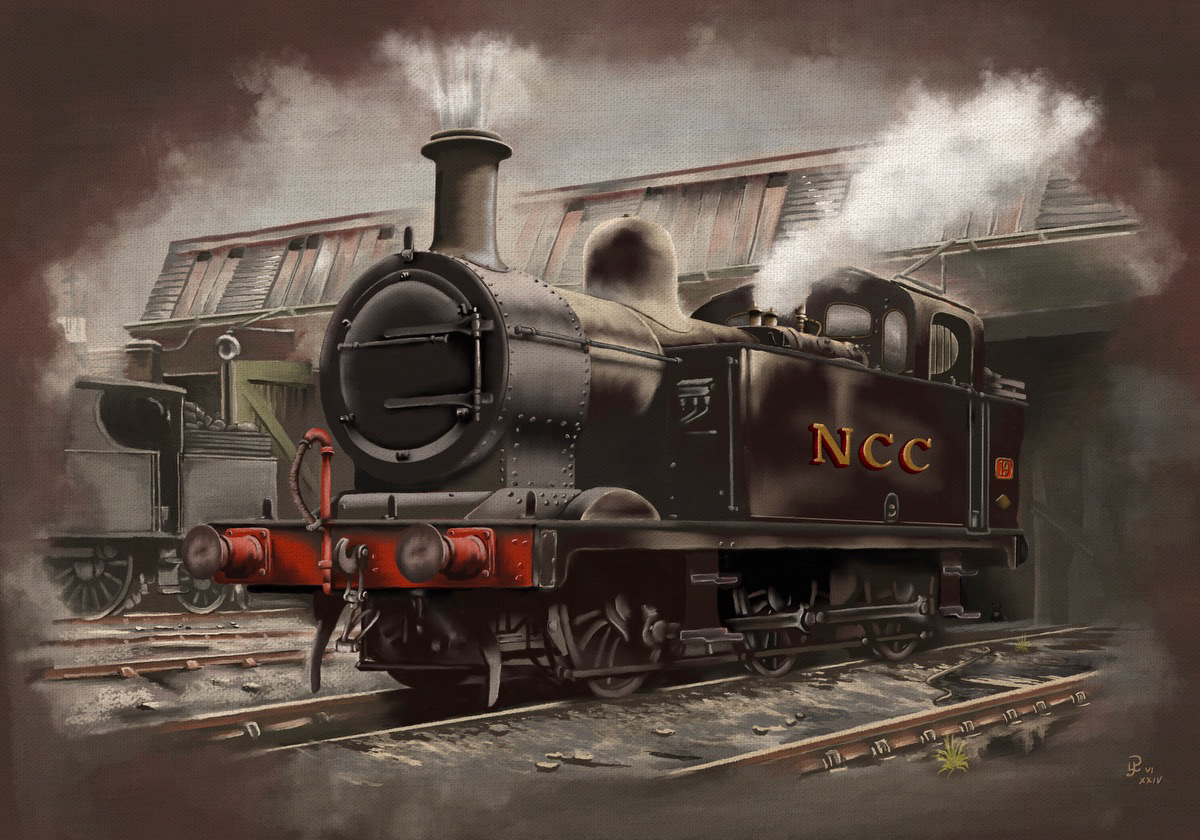
A few Jinties went to Ireland, to work on the lines of the LMS Northern Counties Committee, where they were re-gauged to Irish 5’3″ gauge.
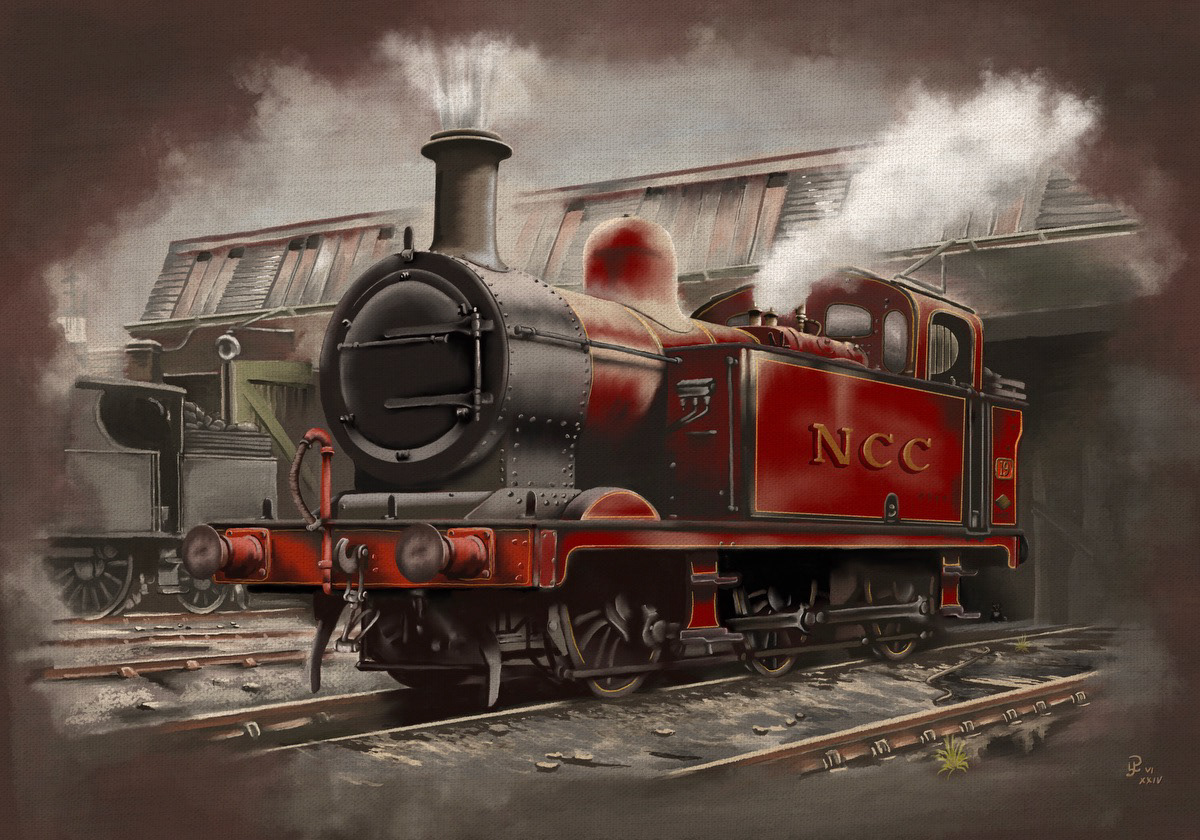
The NCC did paint locos in Crimson Lake, but maybe not their Jinties…
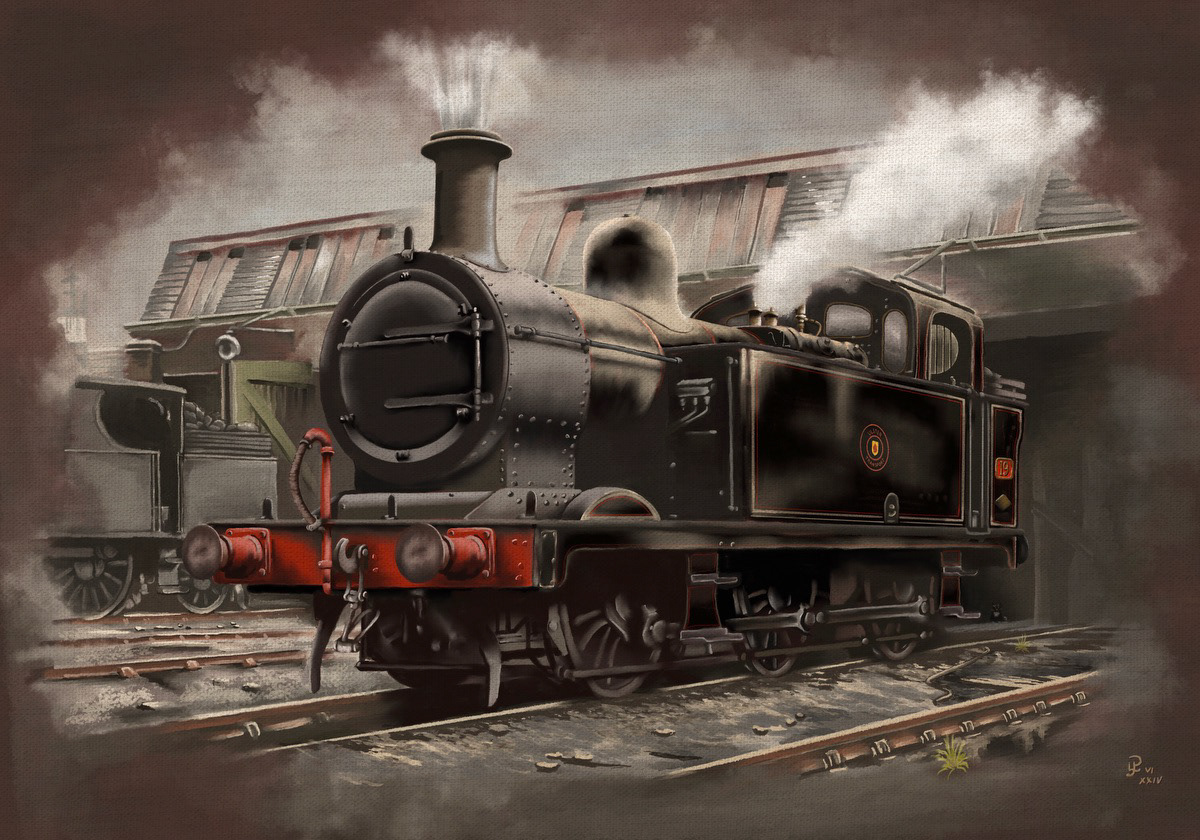
In due course the Irish Jinties passed to the Ultra Transit Authority, rather smart they looked too.

This was something Hornby did, LNET App Green Jinties in a train set with GWR clerestories finished in LNER teak!

Plain black, with the Australian headlamp, also as sold in Australia.

Triang finished the Jinty in olive green as part of their ‘Battle Space’ range.
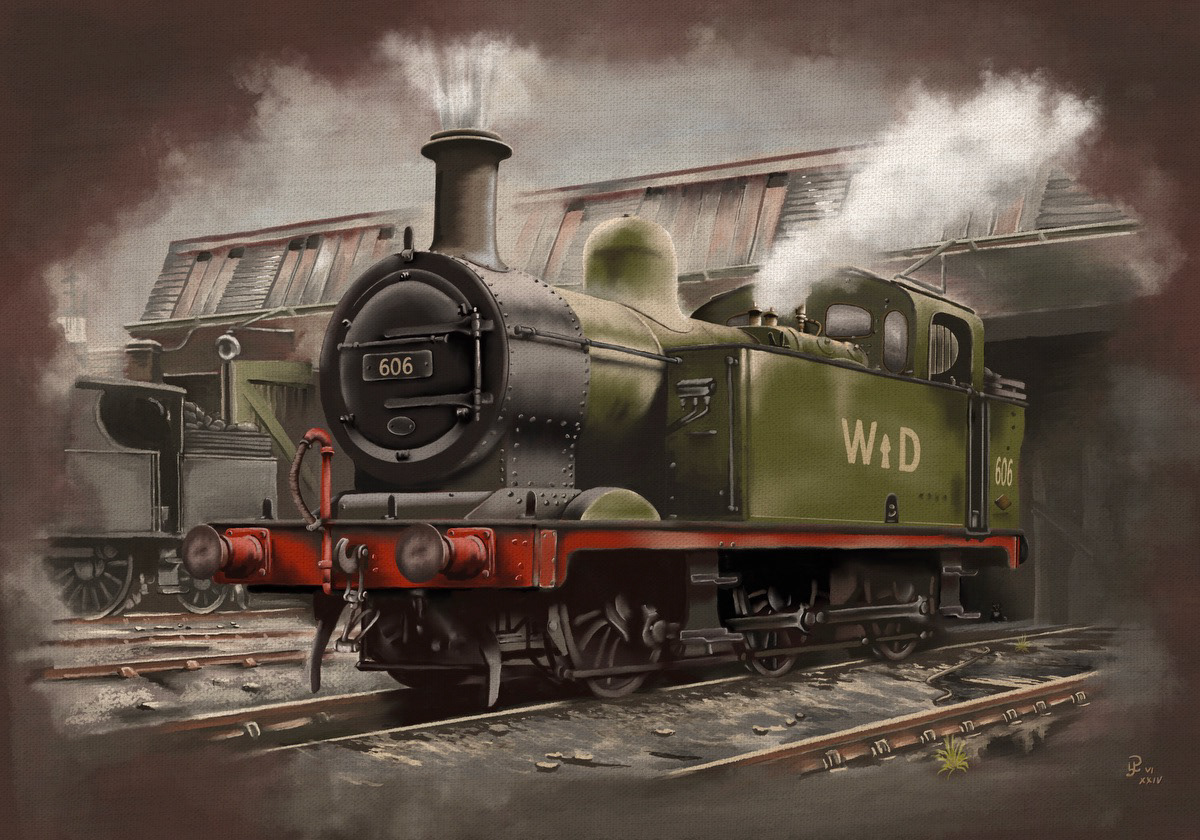
It wouldn’t have been absolutely impossible for some Jinties to have ended up with the War Department during WWII…
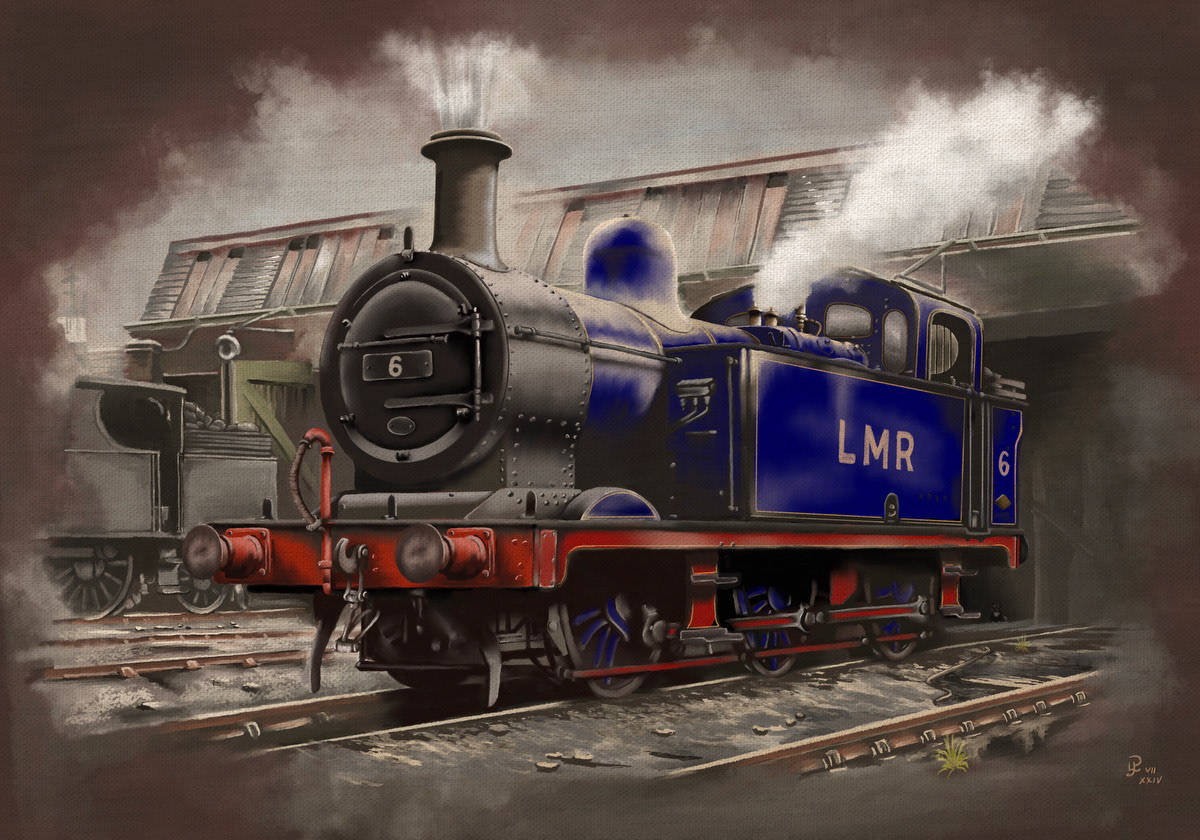
…and thence to the Longmoor Military Railway? Perhaps I should have blanked the coal on these last two.
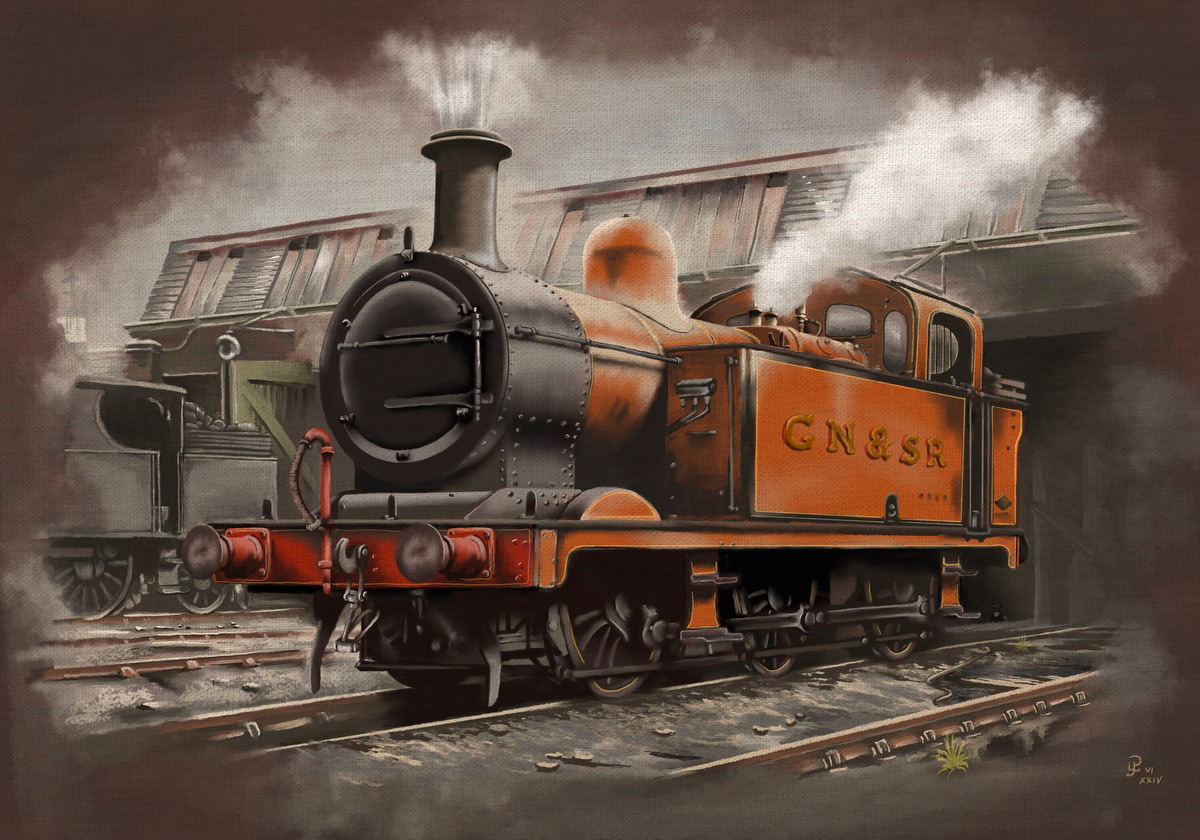
The Railway Children film used a GWR Pannier tank in the Liveriey of the fictional “Great Northern & Southern Railways”. Triang Hornby didn’t have the tooling for a Pannier (though they were to a couple of years later) so they applied the livery to a Jinty and hoped people wouldn’t notice. 🙂

If the Isle of Sodor were real, and if the Isle’s railway’s No. 1 were a Jinty and not the smiling faced Thomas…

The Jinty, liveried lined black and numbered 2021 was a Triang-Hornby train set staple.

Another 2021 in a livery that Hornby might have thought of…
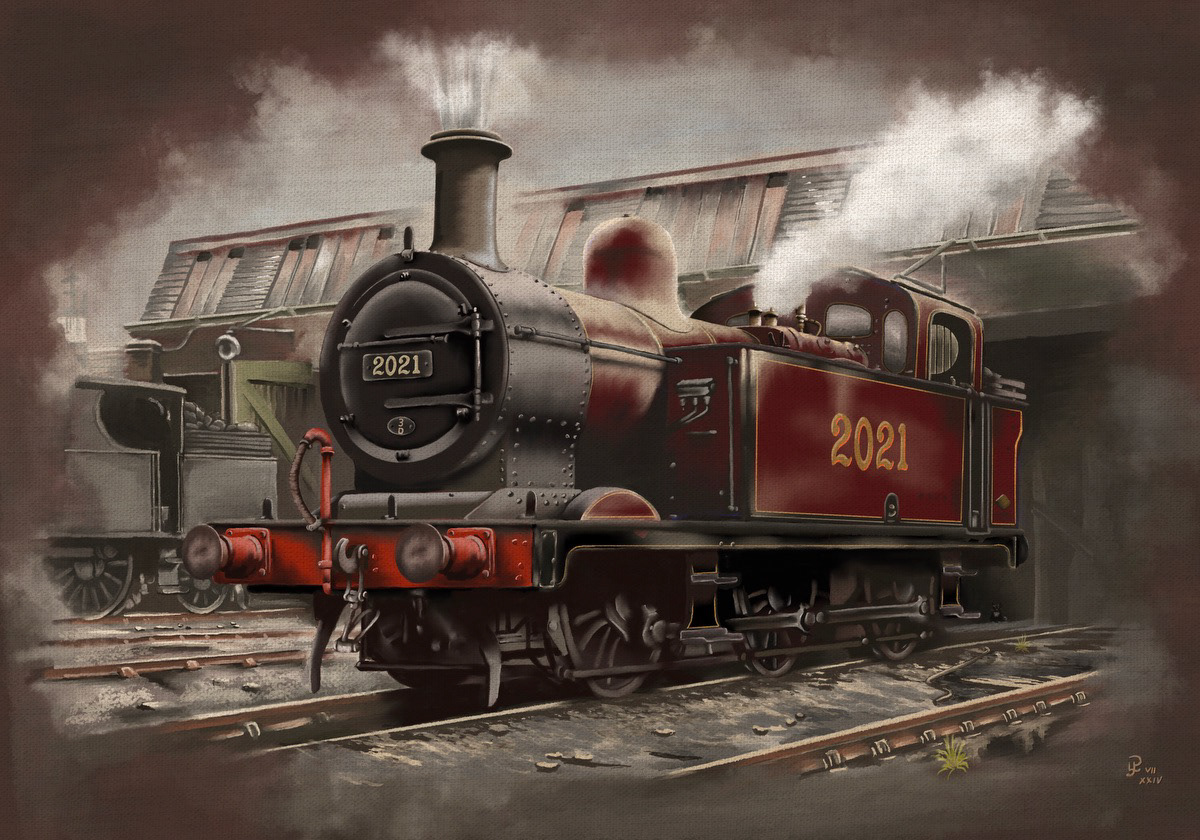
…and another….

…and one last.

Inspired by that Australian Headlamp, and owning nothing to reality, New South Wales Government Railways.
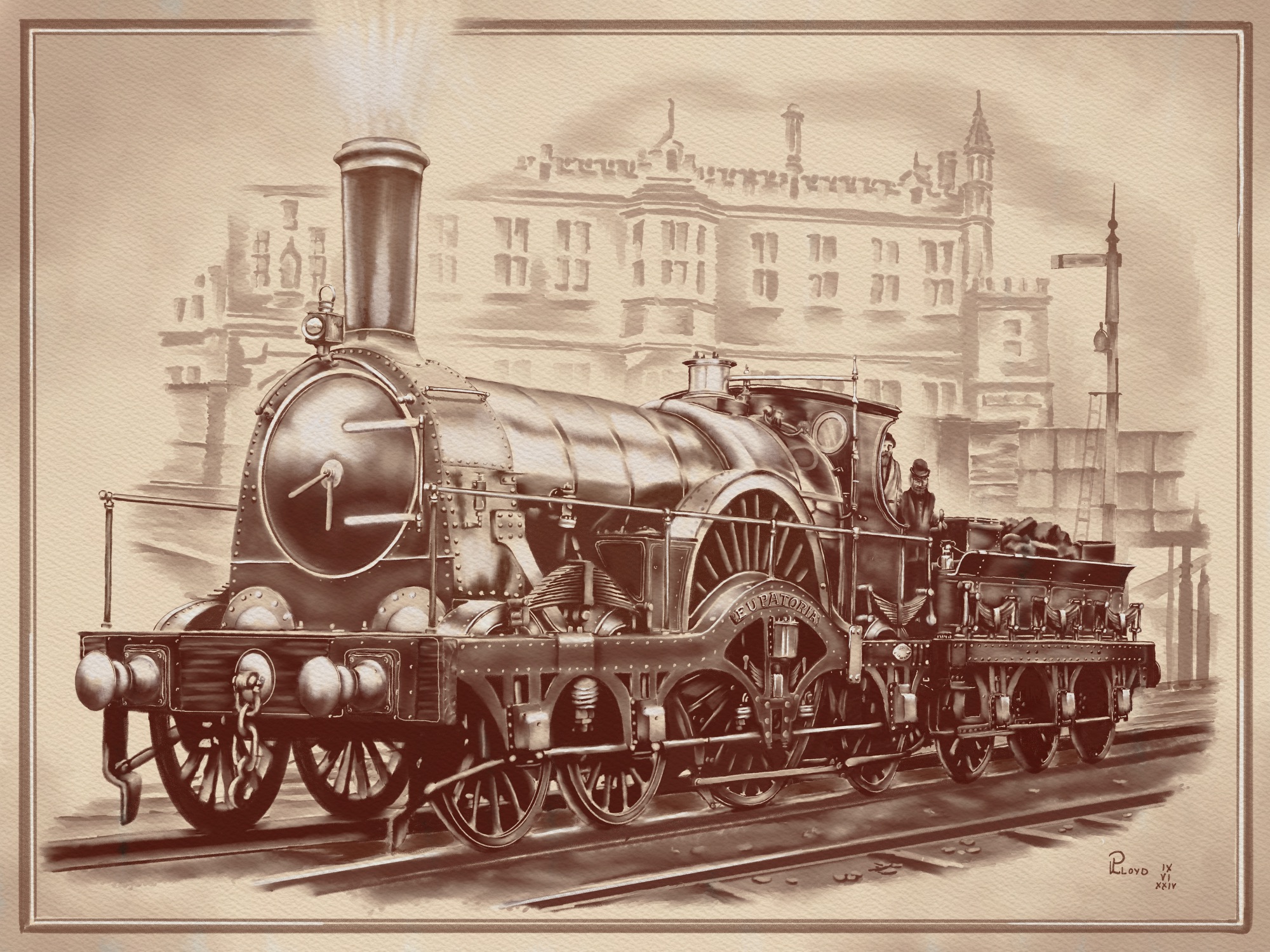
Eupatoria (of the Rover Class) at Westbourne Park. Based on a very well known photograph from the dying days of Brunel’s Broad Gauge on the Great Western. Something a bit different for my latest project.

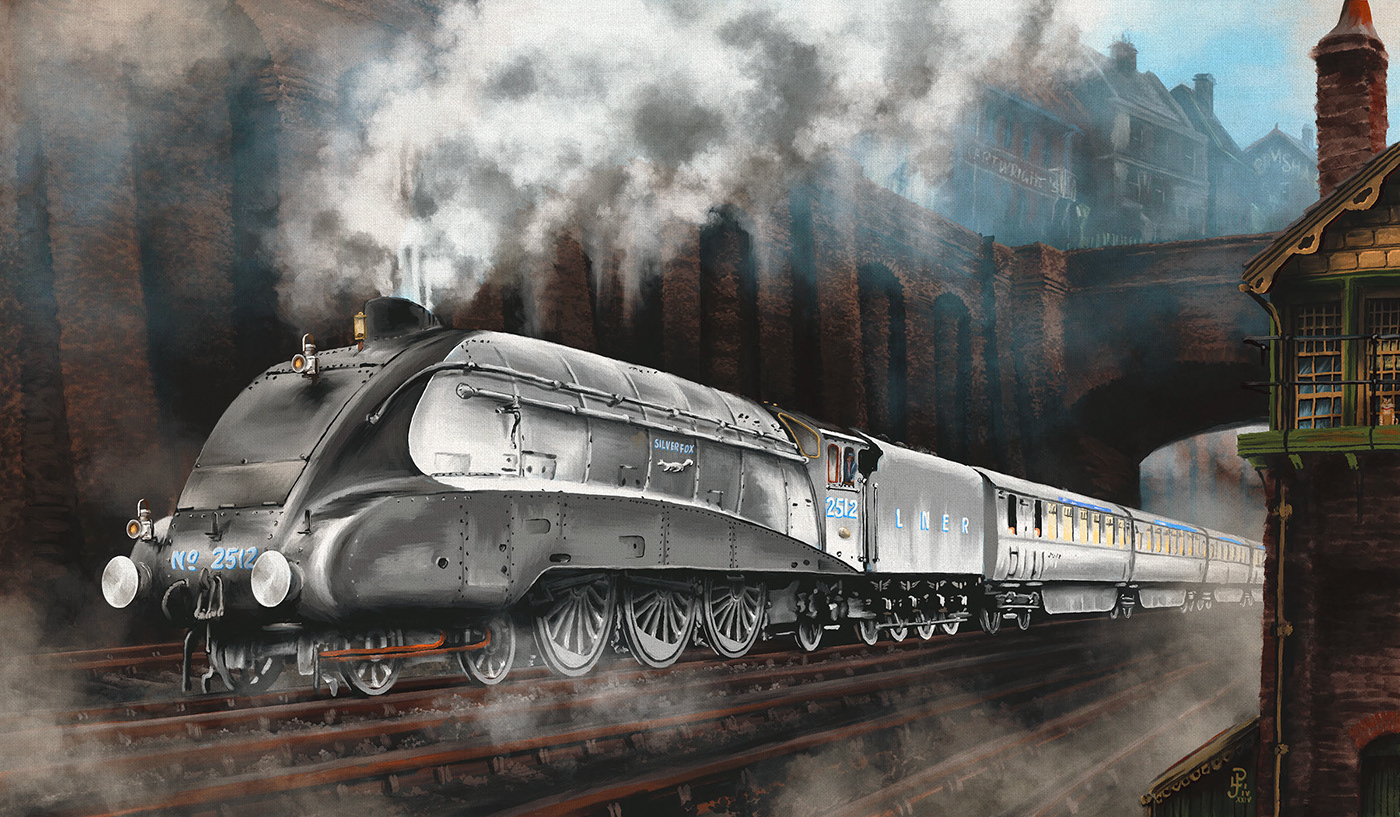
Easter has let me finish the next Digital painting project.
‘Silver Jubilee’ revisits the locomotive ‘Silver Fox’, this time at the start of its career. The portrait is painted to emphasise the contrast between the Silver, Art Deco steam train and the grimy Victorian landscape of a British Northern city in the middle 30s.

Just finished another painting, something a bit different for me. A No. 8 tram in Perth (Western Australia), turning right at the corner of Barrack and Murray Streets, sometime towards the end of the 1950s. Perth’s trams were before our time here, but I rather wish we still had them. The ‘Hotel Perth’ building is still there, though the verandahs (like most buildings) are all gone. The last time I passed it there was a ‘Specsavers’ occupying the ground floor. Ahern’s was a splendid shop in it’s day, swallowed up (metaphorically and physically as far as their premises go) into the national David Jones chain.

For a change, a drawing (done digitally) instead of a painting. “Golden Days”, a sunny summer day on a Great Western branchlike on the 1920s.
 Greater Albion Art and Design